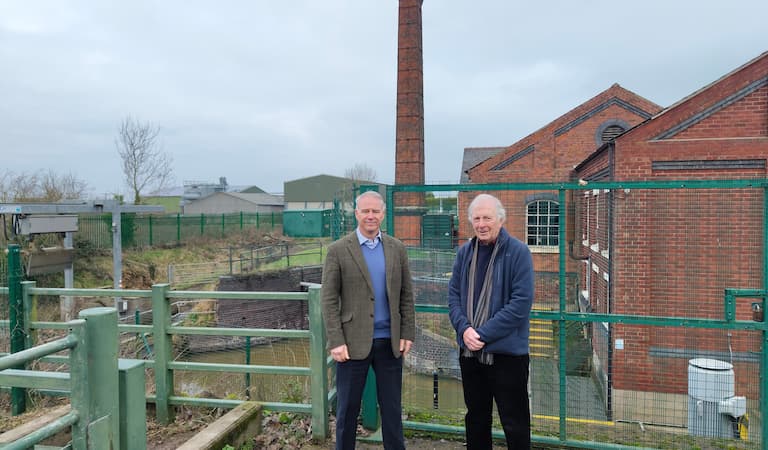
Homes, businesses and farmland across the Isle of Axholme will continue to be protected from flooding after North Lincolnshire Council agreed £1.1m of funding for the Internal Drainage Board.
The investment ensures vital drainage infrastructure continues to operate, reducing flood risk, protecting livelihoods and keeping one of the most productive areas of the country safe and viable.
Cllr Tim Mitchell, cabinet member for sustainability and transformation, said: “This is a significant investment, but a necessary one. The Isle of Axholme depends on effective drainage – without it, homes, businesses and farmland are at risk.
“We are making a clear choice to protect communities, support local economies and honour a responsibility that goes back centuries. This funding ensures the system continues to work, not just today, but for the future.”
The commitment to water management stretches back exactly 400 years this year, to the original drainage of the Isle of Axholme by Dutch engineer Cornelius Vermuyden.
North Lincolnshire Council’s decision reinforces that long-standing duty: maintaining the pumps, channels and systems that make daily life and economic activity on the Isle possible.
Cllr David Rose, cabinet member for environment and strategy, added: “The Isle of Axholme exists because of drainage, and it thrives because that system is maintained. This decision is about protecting people and places – plain and simple.
“Flood risk is not abstract here. It’s real, and it’s constant. This funding helps ensure the infrastructure is there to manage it properly.”
The funding was agreed at a board meeting of the Isle of Axholme and North Nottinghamshire Water Level Management Board on Monday, 26 January. It is responsible for managing water levels across the area – a role that remains as critical today as it was four centuries ago.

 Waters’ Edge set for 20th anniversary makeover
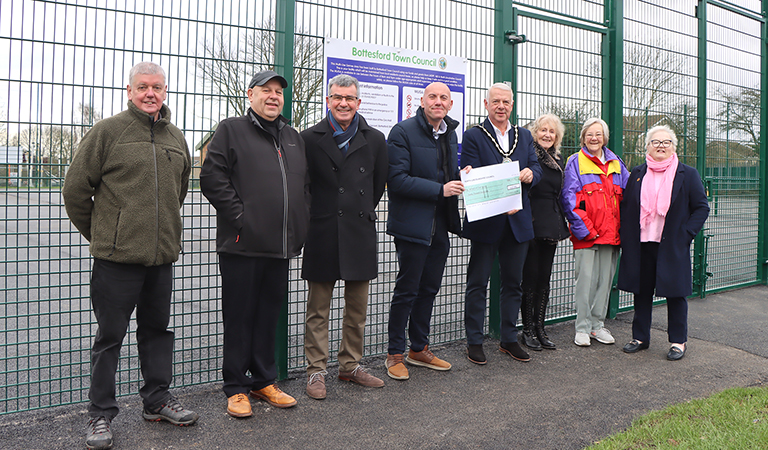 Game on for Bottesford as community grant helps kickstart new multi-use games area
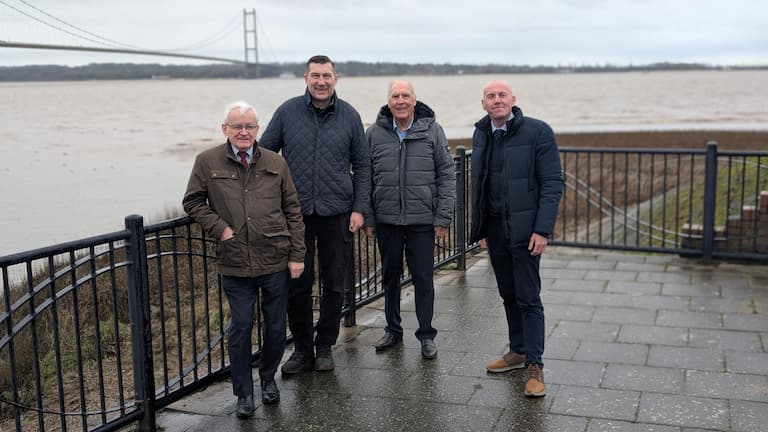 Council unlocks £38m flood defence scheme to protect homes along the Humber
 Budget 2026: Balanced budget protects and backs North Lincolnshire’s future
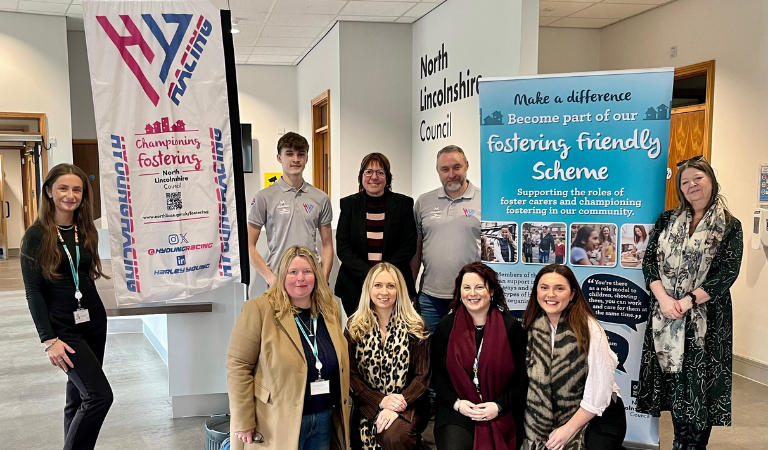 HY Racing joins the Fostering Friendly Scheme – A powerful new partnership with deep family roots